
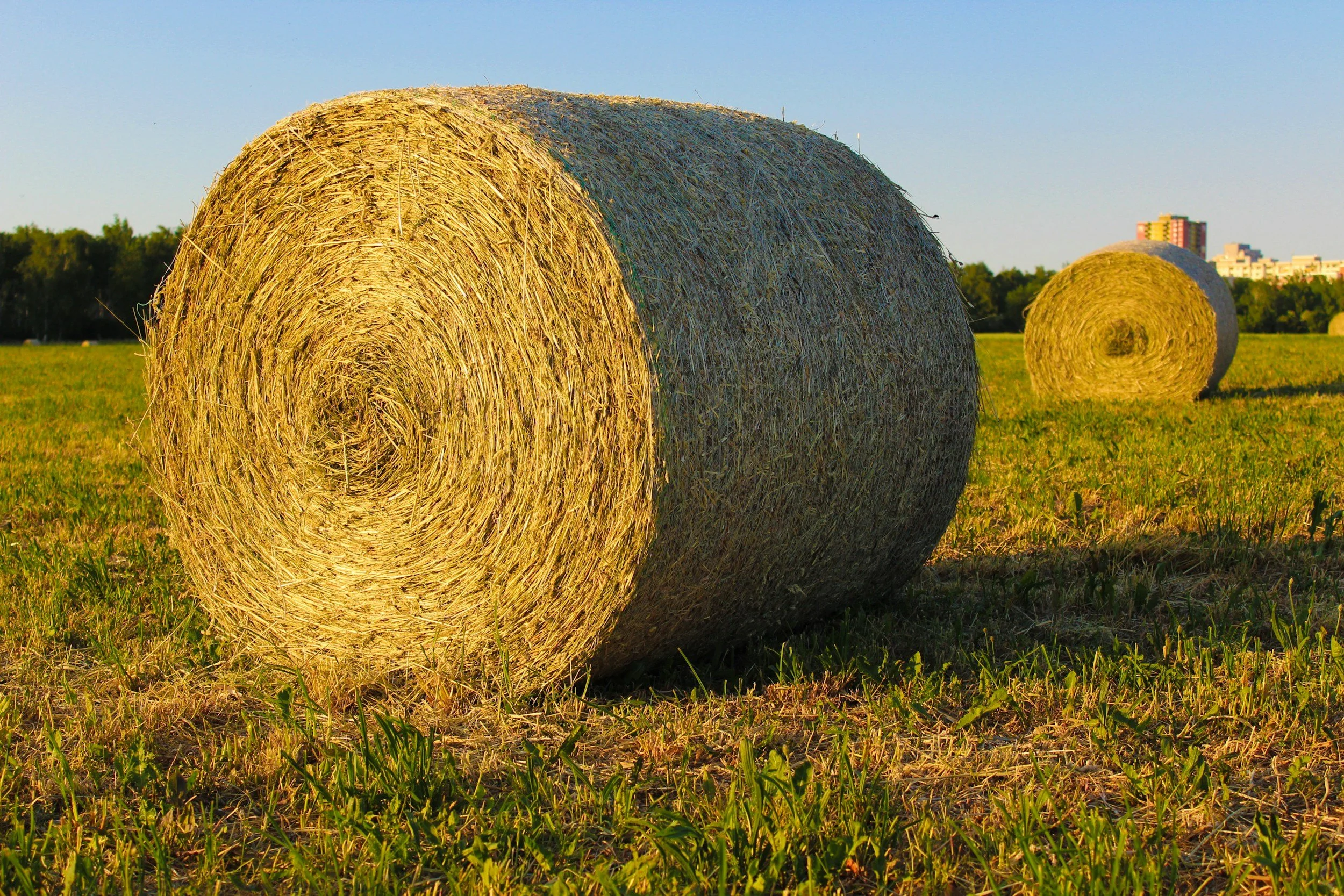

Nutrient Management Planning
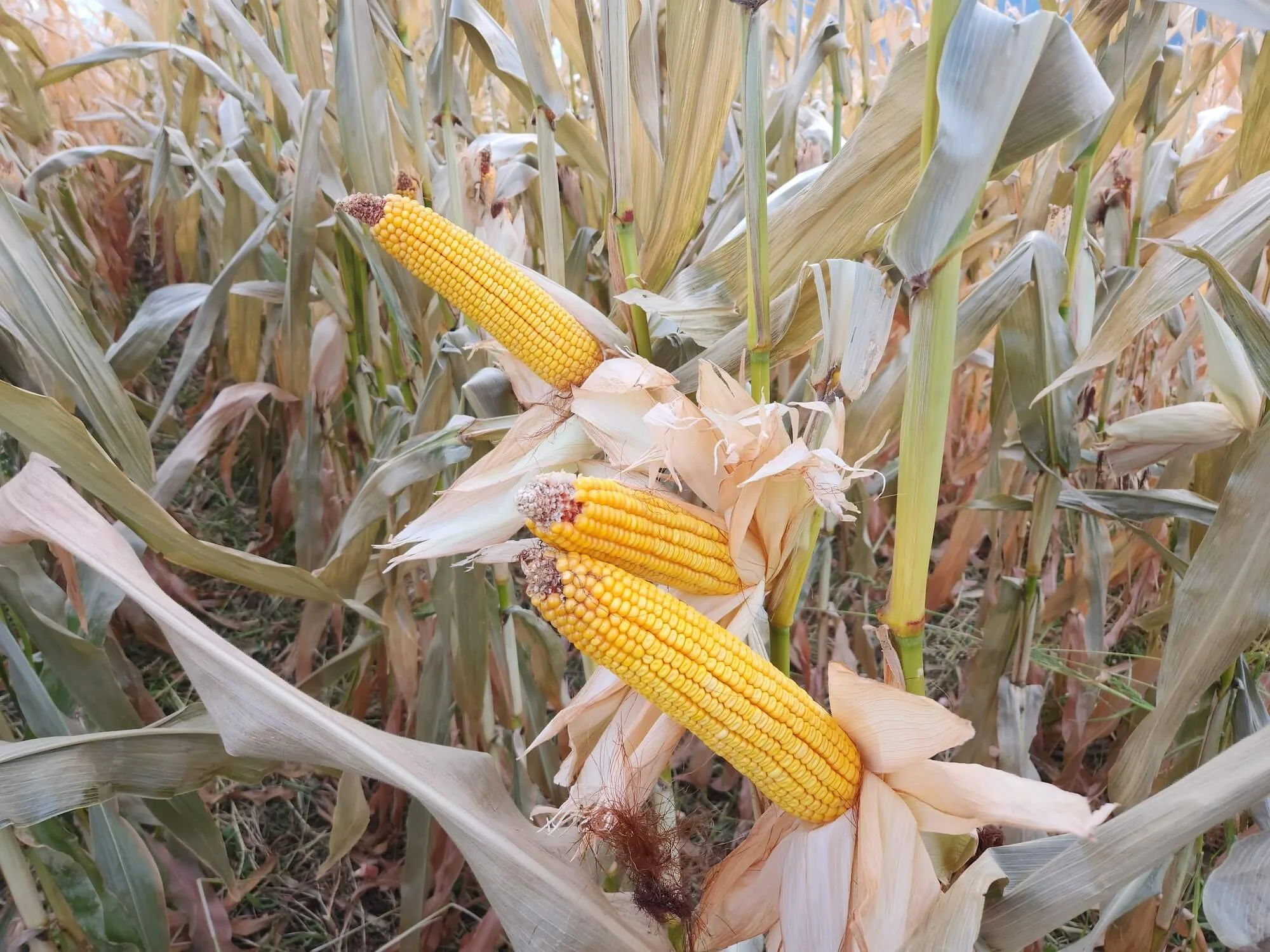
Nutrient Management Planning for High-Performing Farms
Stronger forage starts with a clear, data-driven plan. Our nutrient management planning services help BC farms use your on-farm manure resources and soil fertility more efficiently so every field and every crop works toward your forage goals. With rising input costs, placing nutrients where they have the most impact is more important than ever. Our plans follow BC requirements while optimizing yields , healthier soils, and better forage quality for your herd.
A Plan That Connects Soil, Crops, and Feed
Our approach combines experienced agronomists, soil testing, and forage goals to build a nutrient plan that works from the field to the feed bunk. The process is practical, simple to follow, and easy to integrate into daily management.

What OUR ACROLOGIST SERVICES INCLUDE
Our agrologist services provide complete field-by-field guidance, including:
Nutrient strategies tailored to your soils, crops, and forage system
Soil testing and manure analysis for more efficient nutrient use
Plant tissue sampling to monitor crop health and support in-season decisions
Recommendations that improve yield and support long-term soil health
Seasonal reviews to keep your nutrient plan updated each year
Soil Testing That Helps You Make Better Decisions
Reliable nutrient planning starts with accurate soil information. We use trusted soil fertility tests to understand what your fields need, and what they already provide.
Soil testing supports:
Fertilizer decisions that match crop demand
Manure applications that stay within BC rules
Better timing and placement of nutrients
Long-term soil structure and productivity
We add plant tissue samples when necessary to confirm crop health, identify hidden issues, and guide fine-tuning during the growing season.
Ongoing Monitoring and Reporting
Your nutrient plan doesn’t end once the paperwork is submitted. We provide in-season support to keep everything on track.
We offer:
Seasonal reviews and adjustments
Field checks for crop performance
Clear reporting that meets BC requirements
Support with nutrient records and manure tracking
Our goal is to help you stay ahead of issues rather than respond to them after the fact.
Crop Planning That Supports Your Forage Program
Forage performance depends on crop rotation, nutrient timing, and the choice of crops for each field. We connect your nutrient management plan to your crop plan to support a reliable, high-quality feed supply.
Our support includes:
Rotation planning that builds soil fertility over time
Matching nutrients to hay, silage, pastures, and cereals
Planning that supports both yield and forage quality
Recommendations aligned with herd size, forage demand, and long-term goals
Practical Support You Can Use Immediately
Our nutrient management plans are built for real-world field conditions in BC. With our support, you can expect:
Better nutrient efficiency
Healthier, higher-quality forage
Improved field performance
A clear, practical plan that saves time and reduces waste
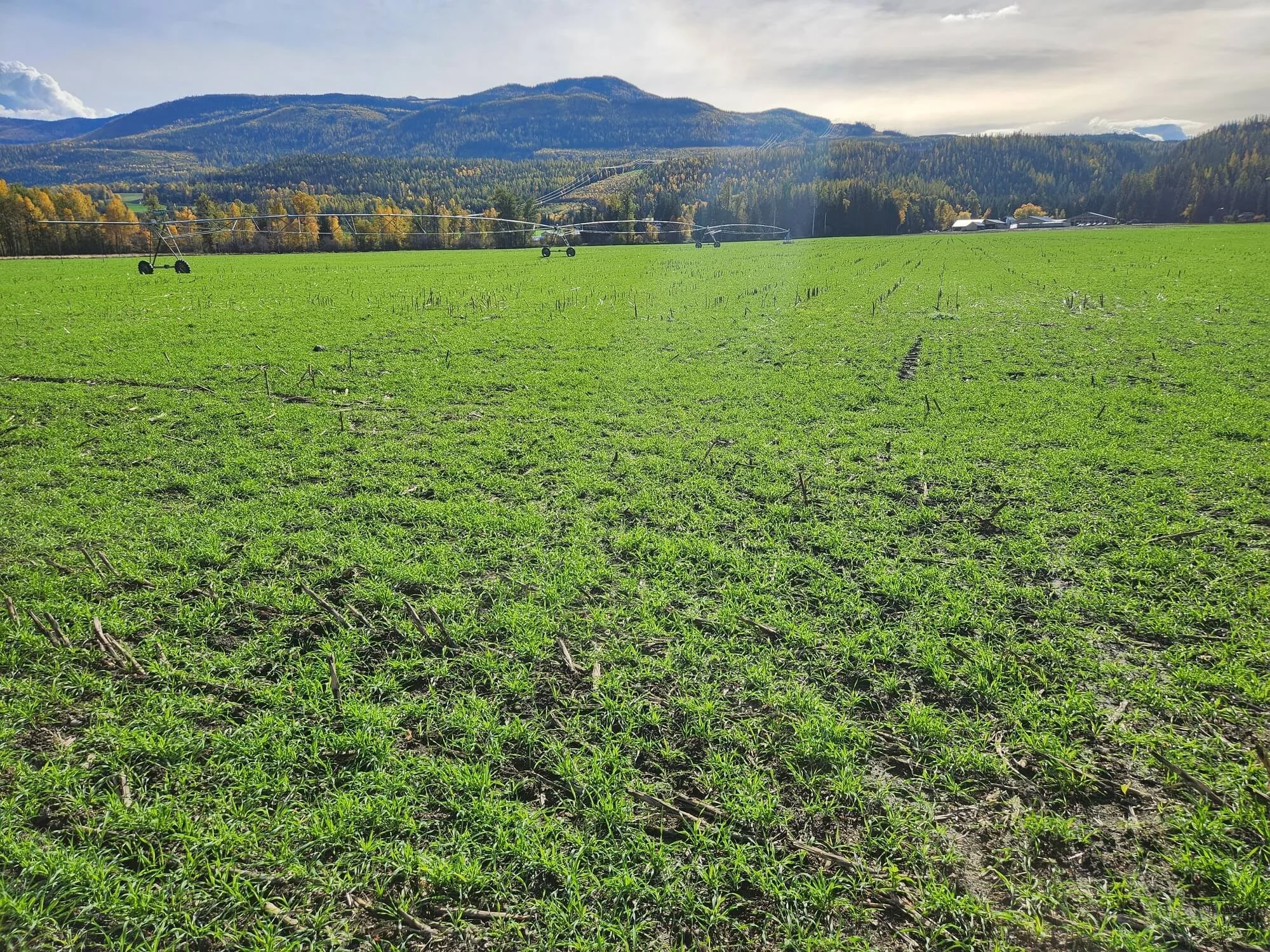
Book a Nutrient Planning Consult
Take the next step toward healthier soils and stronger forage.
FREQUENTLY ASKED QUESTIONS
-
Nutrient management planning is the process of using soil tests, crop needs, and manure resources to place nutrients where they will have the most impact. It helps improve forage performance, reduce waste, and stay aligned with BC requirements.
-
It identifies what each field needs so nutrients can be applied accurately. Nutrient management planning supports healthier soils, better structure, and stronger long-term productivity.
-
Agrologist services often include soil testing, manure analysis, field-specific nutrient strategies, plant tissue sampling, and seasonal updates to keep your plan current.
-
Soil testing is essential because it provides the information needed to set fertilizer rates, guide manure use, and make more efficient nutrient decisions across your fields.
-
By matching nutrients to the needs of each crop, such as hay, silage, pasture, or cereals, you can improve crop performance, increase consistency, and support better overall feed quality.