
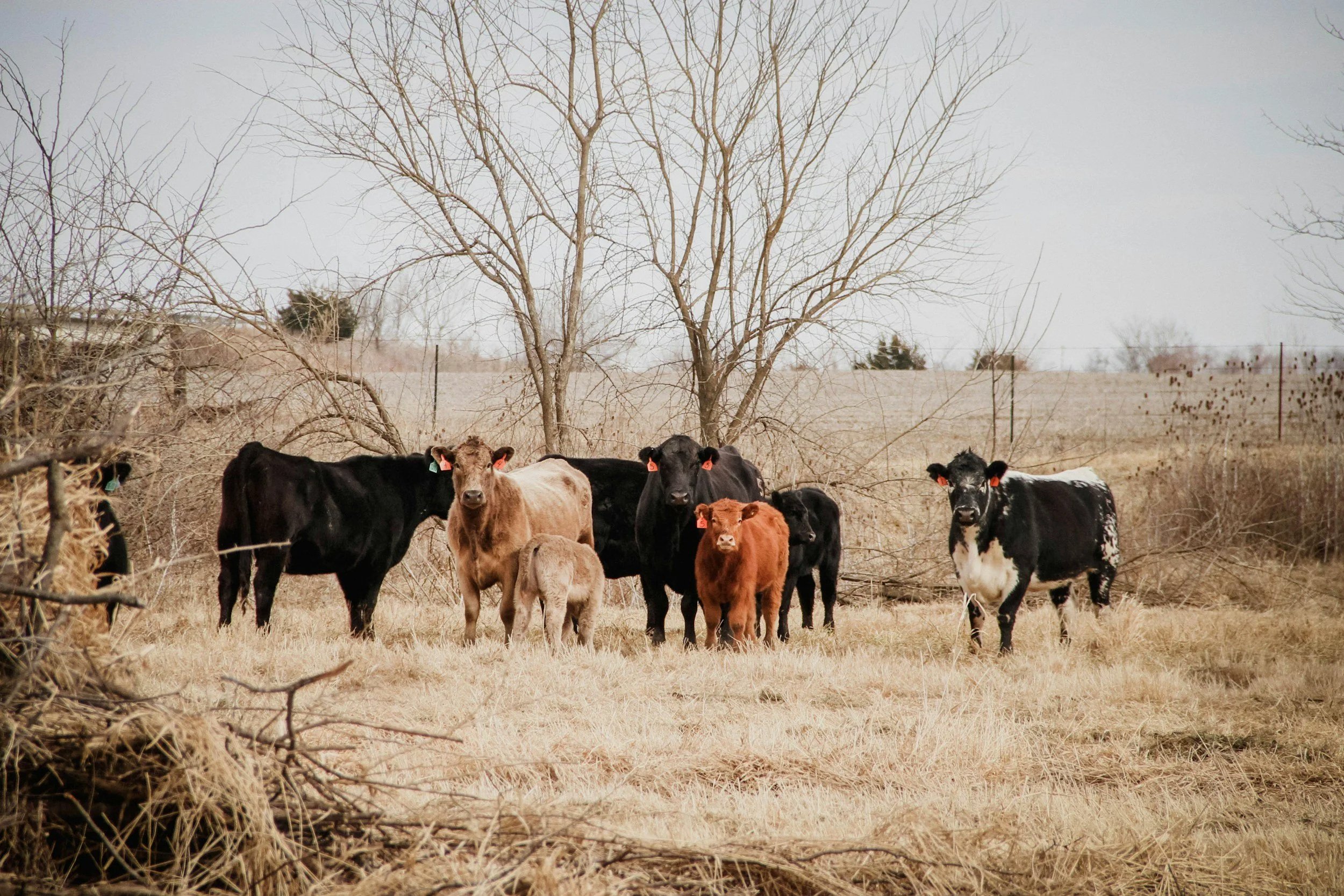

Annual Forages, Grazing & Cover Crops


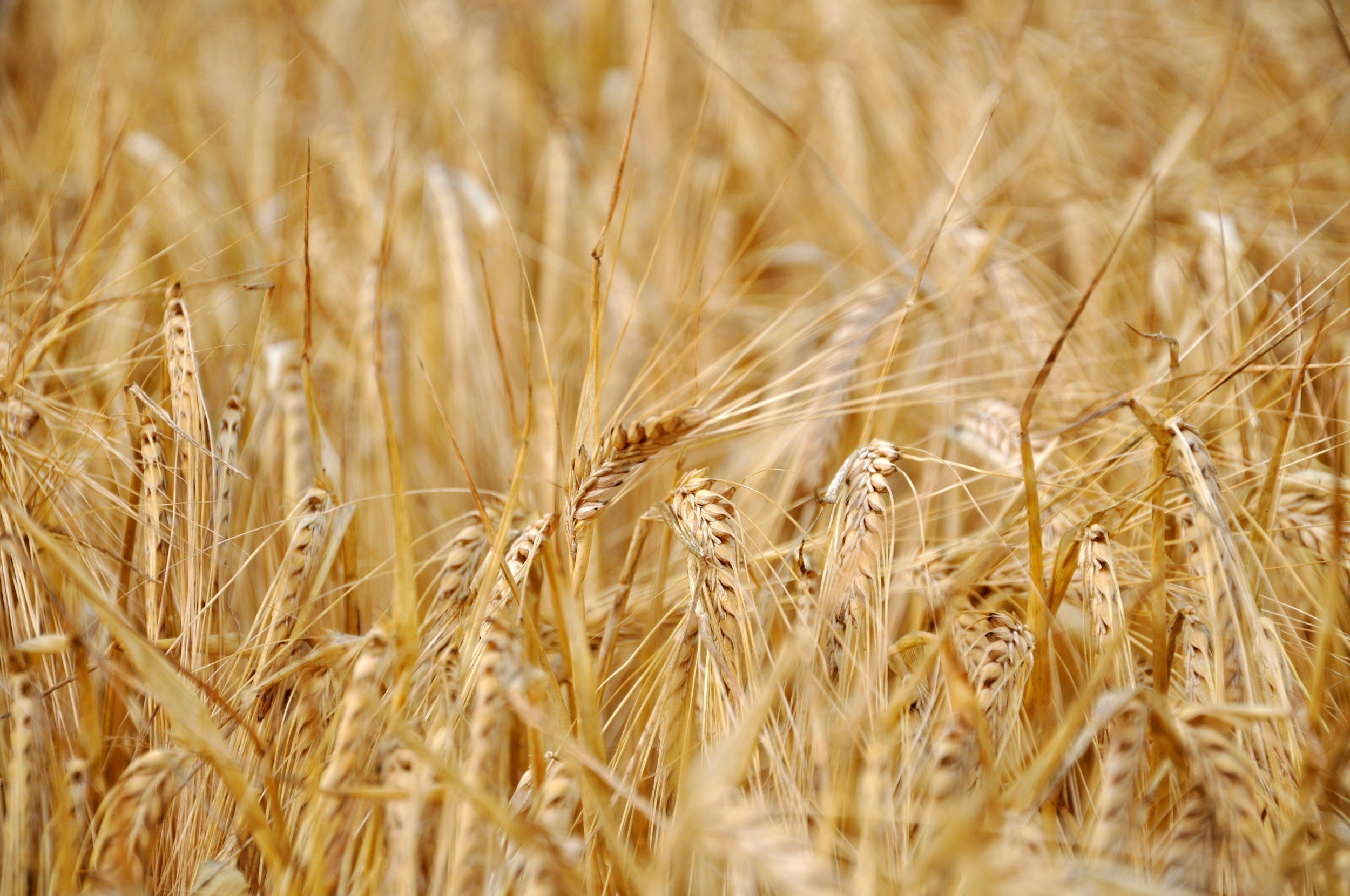
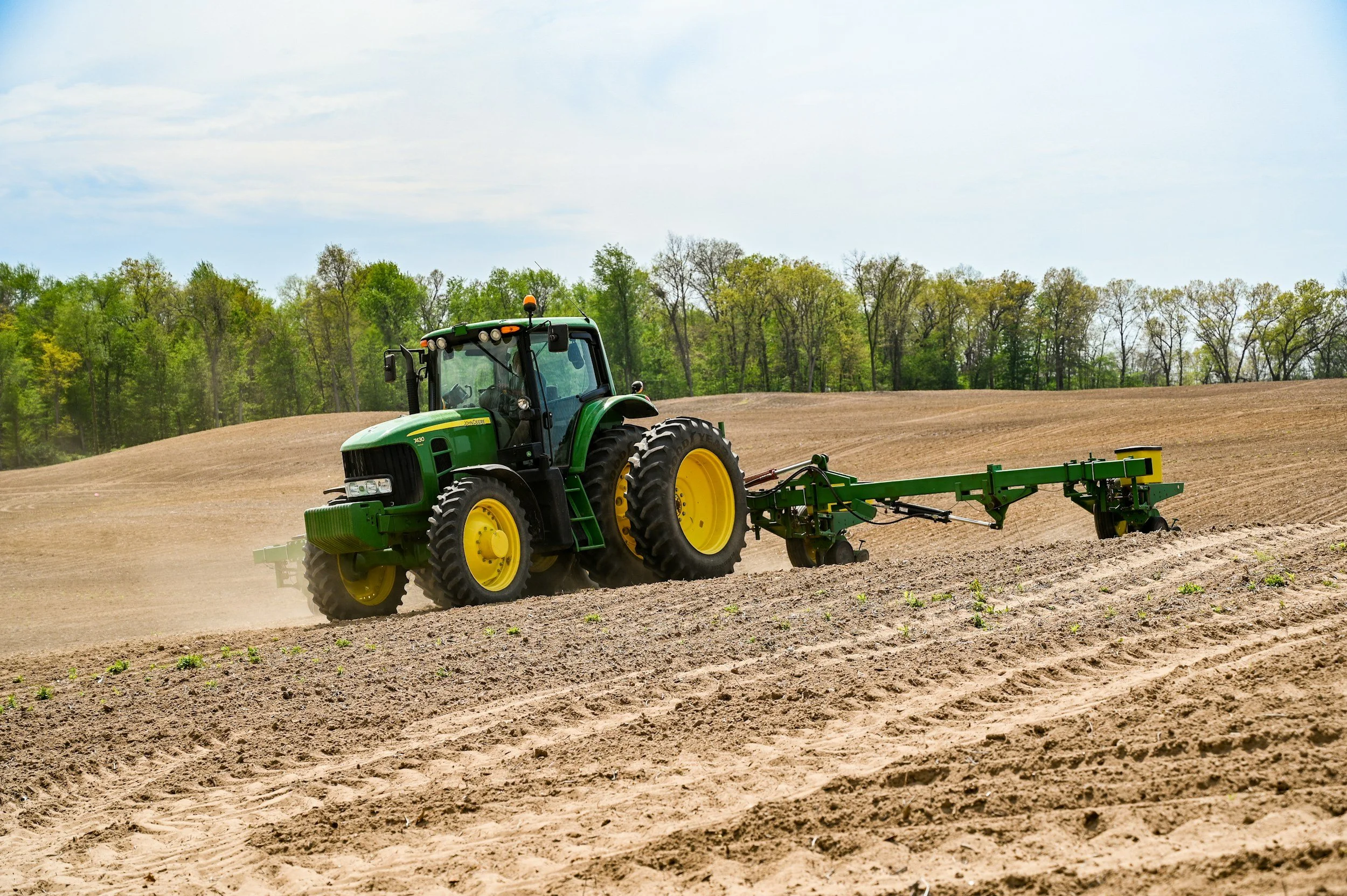
Flexible Annual Forage Solutions for BC Farms
Annual forage seed offers short-term, flexible options that help BC producers adapt to changing field conditions. These crops establish quickly and can be used for grazing, green feed, silage, or as soil cover when perennial forage is unavailable or when fields are in transition.
At Forage Based Solutions, we develop forage and cover crop blends specifically for BC soils, growing seasons, and systems. Our goal is to help you fill feed gaps, manage risk, and maintain a reliable forage supply without disrupting your long-term plan.
Annual forages support crop planning by providing rotation flexibility, enhancing soil health, and stabilizing feed supply in challenging years. They also play a role in whole farm planning by adding flexibility to rotations and helping stabilize feed supply during challenging years.
Built for BC Conditions
Annual forages must establish quickly and perform within shorter growing windows. We build and recommend annual forage seed blends that fit BC climates, moisture patterns, and cropping systems.
We consider:
Planting window and seasonal timing
Soil type and moisture availability
Intended use, such as grazing, green feed, or silage
Integration with crop rotation and nutrient plans
Performance under BC growing conditions
Annual Forage Use Cases
Fast-Growing and Emergency Forage
Annual forage seed helps address feed shortages or weather-related disruptions. Fast-growing blends can be grazed, green-fed, or harvested to help stabilize the feed supply.
These options support:
Filling mid-season or late-season feed gaps
Responding to crop failures or delayed planting
Supporting livestock during dry or challenging years
Maintaining flexibility in forage planning
Cover Crops and Soil Support
Annual forage seed also aids cover cropping and soil protection, improving soil structure, nutrient management, and field protection during transitions.
Cover crop forages can:
Protect soil from erosion
Improve organic matter and soil biology
Capture and recycle nutrients
Fit between cash or forage crops
Grazing and Seasonal Forage
Annual grazing forages add flexibility to pasture systems and reduce pressure on perennials. These blends support short-term grazing, shoulder season feed, or rotations.
Benefits include:
Rapid establishment for timely grazing
Flexible use across grazing and harvest systems
Improved pasture rest and recovery
Added diversity in forage programs
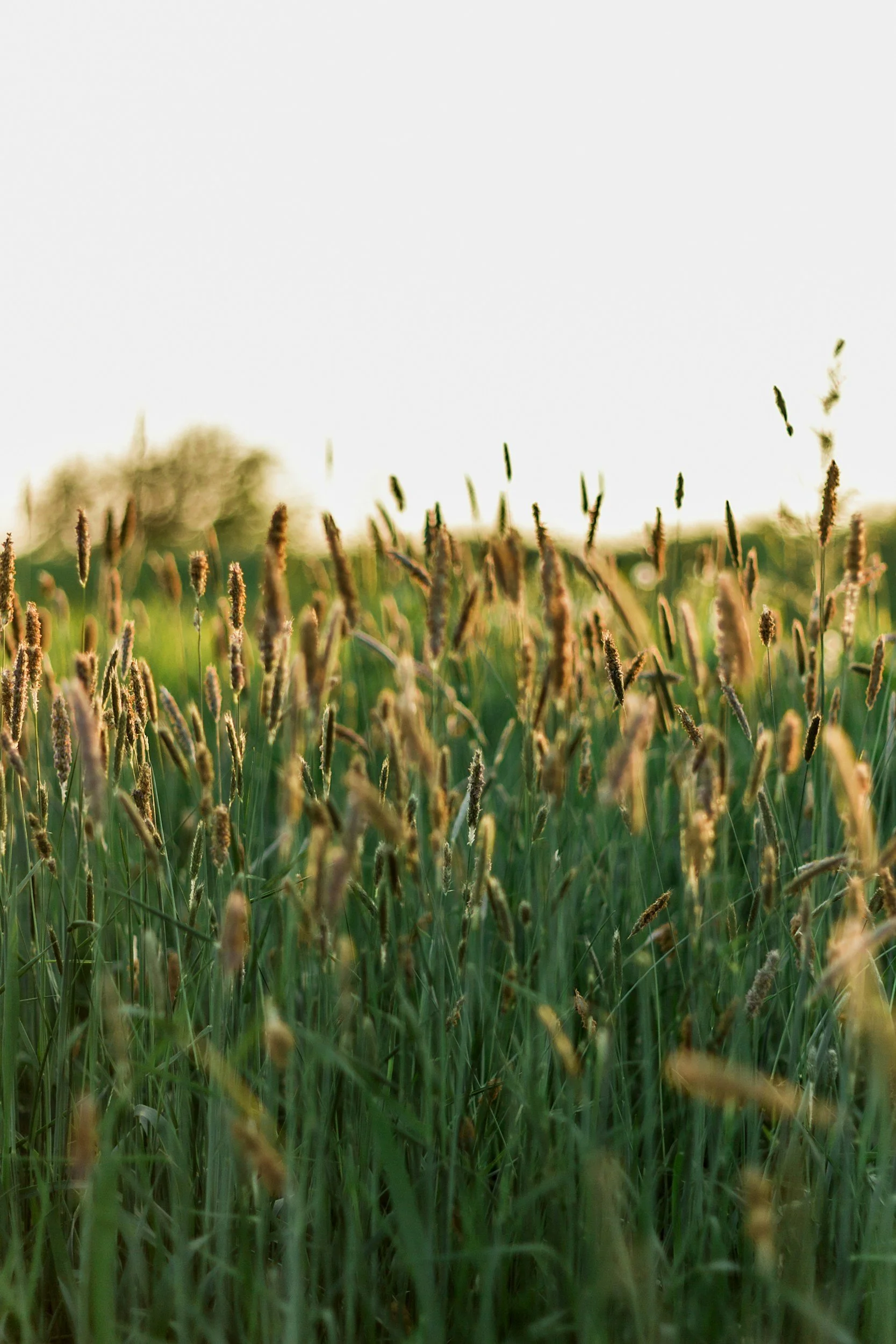

Spring and Winter Cereals
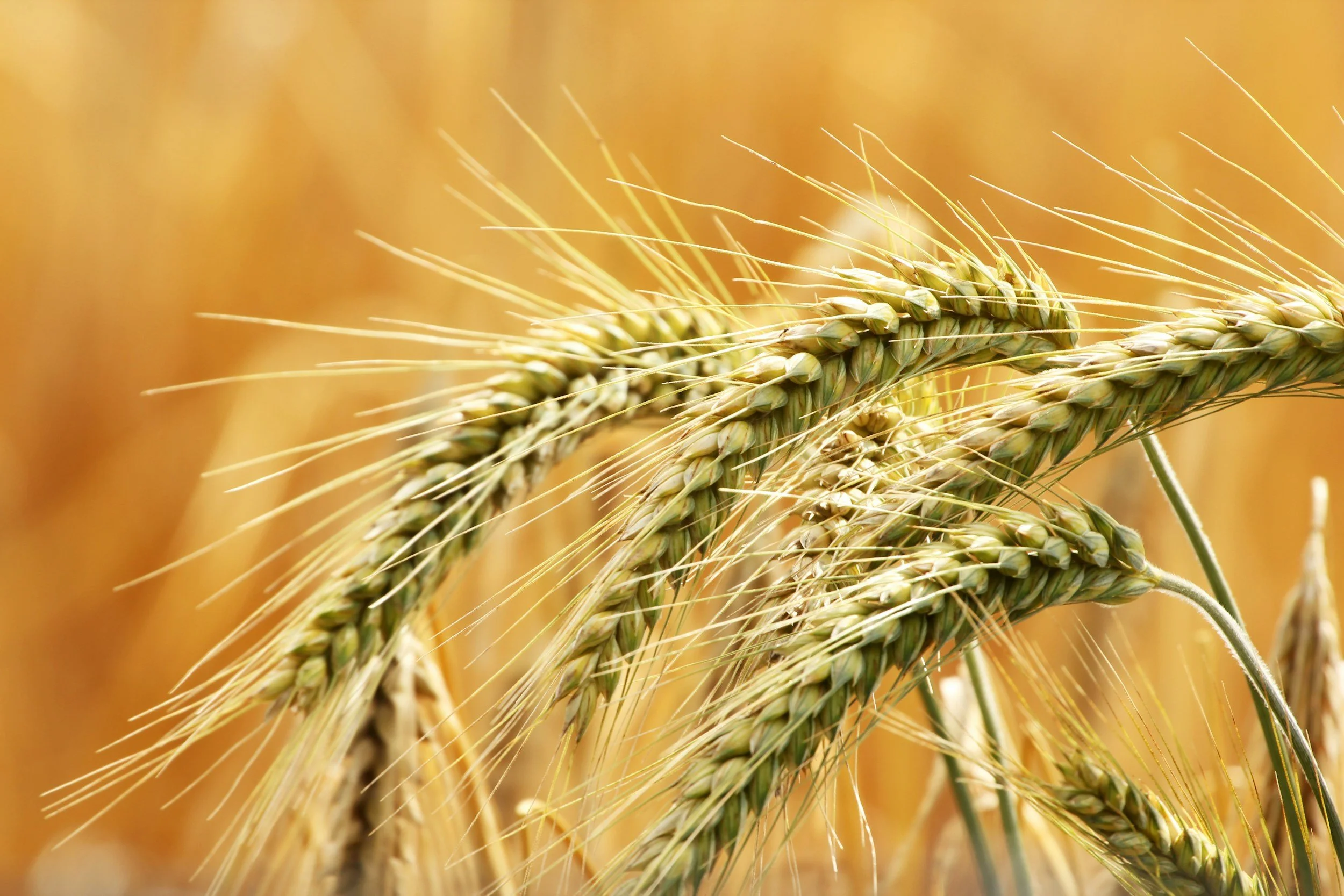
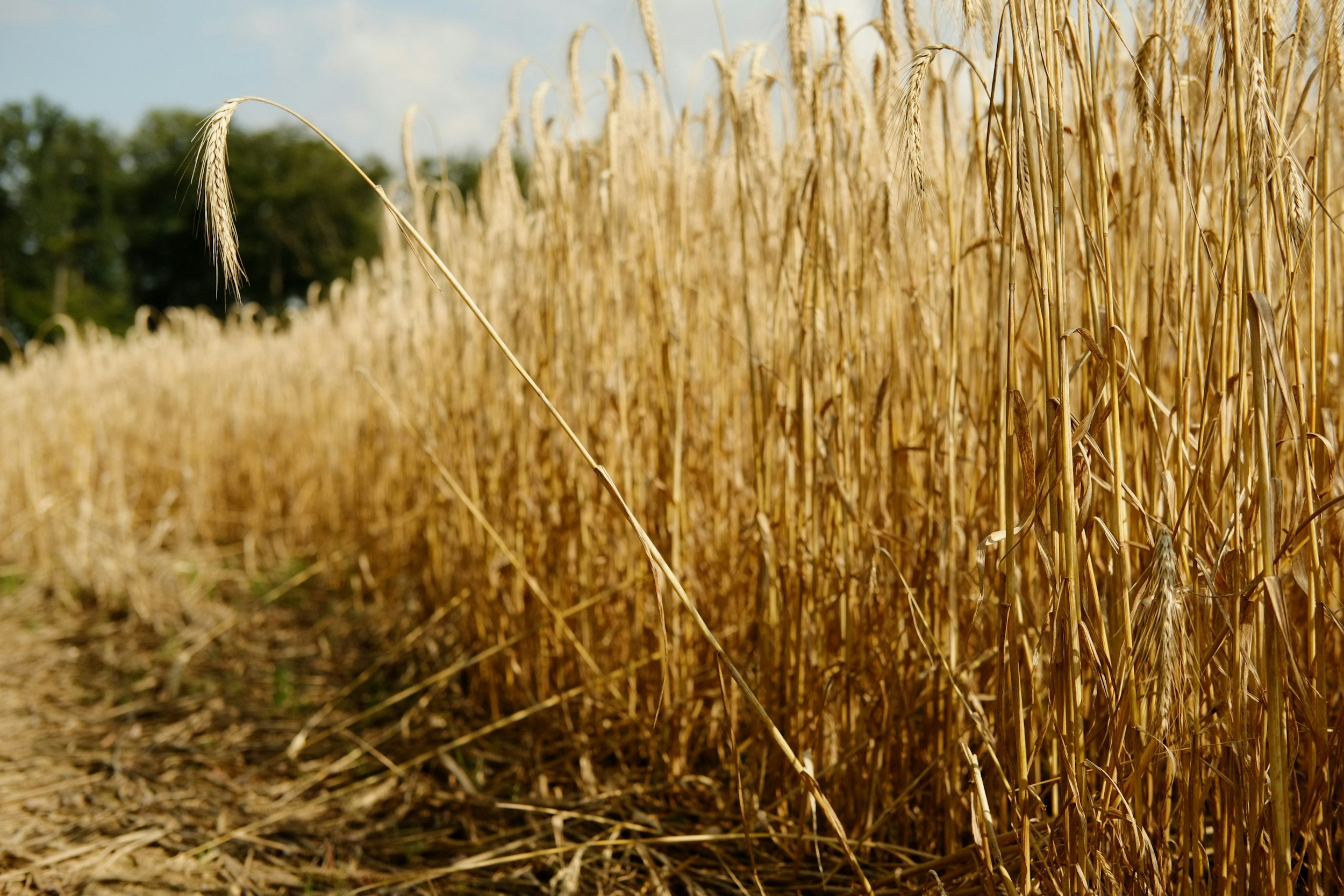
Spring forage cereals like oats, barley, and triticale provide reliable forage with flexible harvest timing, while winter cereals offer extended grazing and robust soil protection between seasons.
These crops support:
Early or late season forage production
Grazing, green feed, or silage systems
Rotation diversity and soil health goals
Soil Preparation and Timing Matter
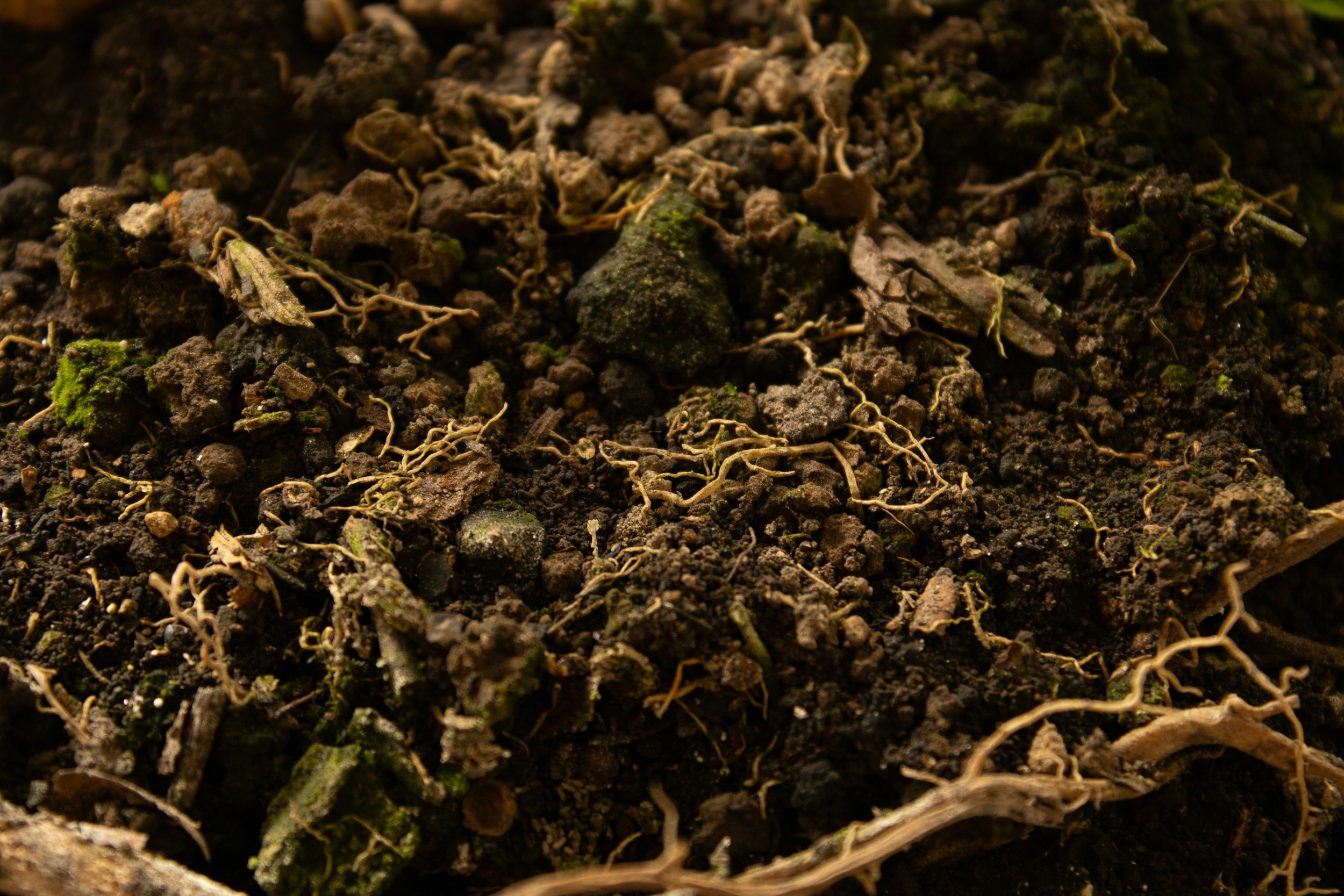
Successful annual forage production depends on proper soil preparation and planting timing. We provide guidance on seedbed preparation, planting depth, fertility support, and harvest timing so annual forages deliver the expected results.
This includes:
Matching planting dates to crop choice
Supporting early establishment
Managing fertility for rapid growth
Timing harvest or grazing to protect yield and quality
Trusted Seed Suppliers
Our annual forage seed options are sourced from suppliers that understand Western Canadian conditions. We work with Millborn Seed and other trusted partners to build annual forage blends that perform in BC environments.
These partnerships allow us to offer reliable, well-adapted annual forage seed that integrates smoothly with your forage and crop plans.
Plan Your Next Season With Us
Talk with us about annual forage seed, spring forage cereals, or emergency forage options built for BC conditions.
FREQUENTLY ASKED QUESTIONS
-
Annual forage seed is used to produce fast-growing forage for grazing, green feed, silage, or cover cropping within a single growing season.
-
Emergency forage is useful when perennial stands fall short, weather delays planting, or feed supplies are tight. Annual forages can quickly stabilize feed availability.
-
Yes. Oats, barley, and triticale can be grazed, green fed, or harvested depending on timing and management.
-
Yes. Annual forages and cover crops can improve rotation flexibility, protect soil, and support nutrient management goals.